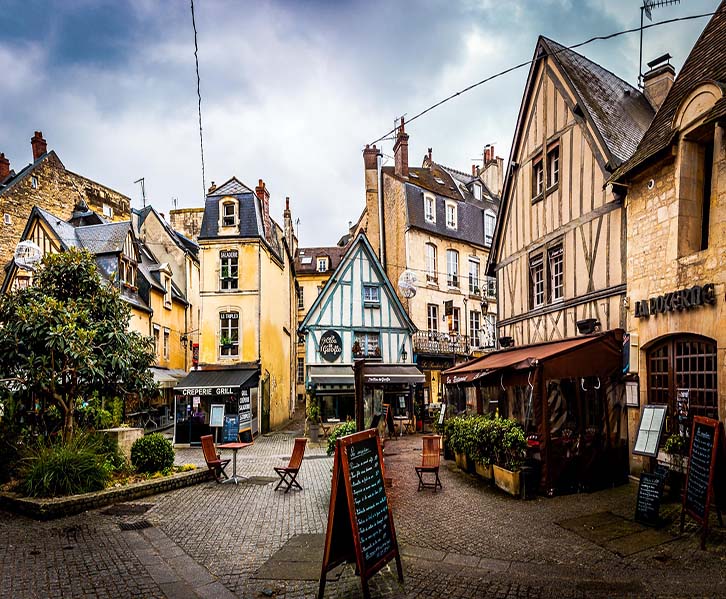
When I first set foot in Caen, I was immediately struck by how seamlessly the city blends its rich history with modern life. As the capital of the Calvados department in Normandy, Caen is a treasure trove of historical landmarks, dating back to the Middle Ages. The city’s history is deeply intertwined with the Norman kings, the D-Day landings, and the turbulent periods of the French Revolution. Yet, as you walk through its streets, you also encounter a charming contemporary vibe that makes it feel like a vibrant, lived-in museum.
What captivated me most was the ability to wander through Caen’s historic districts, where every street, building, and square tells a story of the past. From its medieval architecture to the remnants of its 19th-century past, Caen is a city that invites exploration with the promise of discovery. Whether you’re a history enthusiast or simply someone who enjoys strolling through picturesque streets, the historical districts of Caen will capture your heart.
In this article, I’ll take you on a journey through some of the most captivating historical districts of Caen. I’ll highlight key landmarks, the best spots to explore, activities to engage in, and my personal experiences along the way. And of course, I’ll share useful tips on how to make the most of your visit with recommendations for booking tickets, accommodations, and dining.
1. The Old Town (Vieux Caen)
Location: The heart of Caen, around Rue Saint-Pierre and Rue de la Délivrande
Overview:
The Old Town of Caen is a delightful labyrinth of cobbled streets and medieval buildings. As I walked through the narrow lanes, I felt like I had been transported back to the 15th century. The area is home to many beautiful houses with half-timbered facades, vibrant markets, and small, intimate cafés where you can take a break and enjoy a warm cup of coffee. This district is perfect for those who enjoy walking and discovering hidden gems around every corner.
Key Highlights:
- Eglise Saint-Pierre: This stunning Gothic church, located at the heart of the Old Town, is a must-see. It’s famous for its impressive architecture and beautiful stained-glass windows. The church has a serene atmosphere, and I took a few moments to sit and soak in the peaceful surroundings.
- Place Saint-Sauveur: This charming square is perfect for a quiet moment, with its historic buildings and cozy cafés. The square often hosts small outdoor markets, and it’s a lovely spot to sit and people-watch.
Cost:
There’s no charge to wander the Old Town or to visit most of its open-air landmarks. However, donations or small fees may be requested for entry into some buildings.
Activities & Tips:
- Shopping: Be sure to stop by the local boutiques for handmade crafts, Normandy-themed souvenirs, and artisanal products. A must-buy is Calvados (apple brandy), a local specialty, which you can find at any of the souvenir shops or markets.
- Exploration: Take a leisurely stroll down Rue Saint-Pierre and Rue de la Délivrande, where you’ll find a variety of beautiful, historic buildings to admire. There are also quaint cafés where you can enjoy a traditional French pastry like a tarte Normande.
Booking Tips:
For booking guided tours or excursions in this district, I recommend using platforms like GetYourGuide or Viator, where you can book walking tours of the Old Town to enrich your historical experience.
2. Caen Castle (Château de Caen)
Location: 14000 Caen, France, located near the city center
Overview:
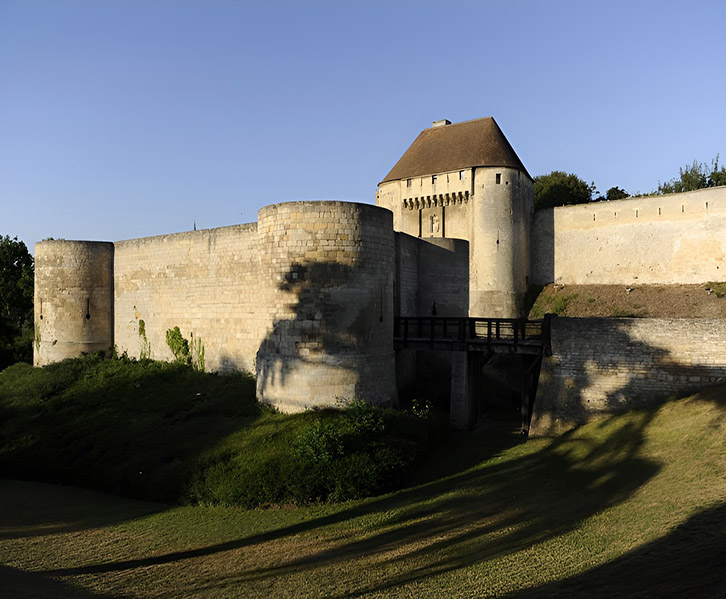
Caen Castle, also known as the Château de Guillaume le Conquérant (Castle of William the Conqueror), is one of the largest medieval fortresses in Europe. As I approached the massive walls of the castle, I was in awe of its scale and historical significance. Built by William the Conqueror in the 11th century, the castle is a key landmark in Caen’s history. Today, it houses several museums and offers panoramic views of the city, making it one of the most important attractions in Caen.
Key Highlights:
- The Castle Keep: The keep is the oldest part of the castle and offers fantastic views over Caen. The climb to the top is worth it for the sweeping panorama of the city.
- Musée de Normandie: This museum inside the castle provides an in-depth look at the region’s rich history, including its prehistoric, medieval, and modern past. I particularly enjoyed the exhibits detailing the Norman conquest of England and the D-Day landings.
Cost:
- Entrance to the castle is free, but there’s a fee to visit the museum and the Keep. Expect to pay around €5-€8 for adults.
Activities & Tips:
- Take a guided tour: To fully appreciate the history of the Château de Caen, I recommend taking a guided tour, which you can easily book online through Tiqets or GetYourGuide.
- Photography: The views from the top of the castle are excellent for photos, so be sure to bring a camera.
Souvenirs:
Inside the museum shop, I found some beautiful historical replicas and books on the region’s history. A replica medieval coin is a unique souvenir to remember your visit.
3. The Abbaye aux Hommes (Men’s Abbey)
Location: Place Reynaldo Hahn, 14000 Caen, France
Overview:
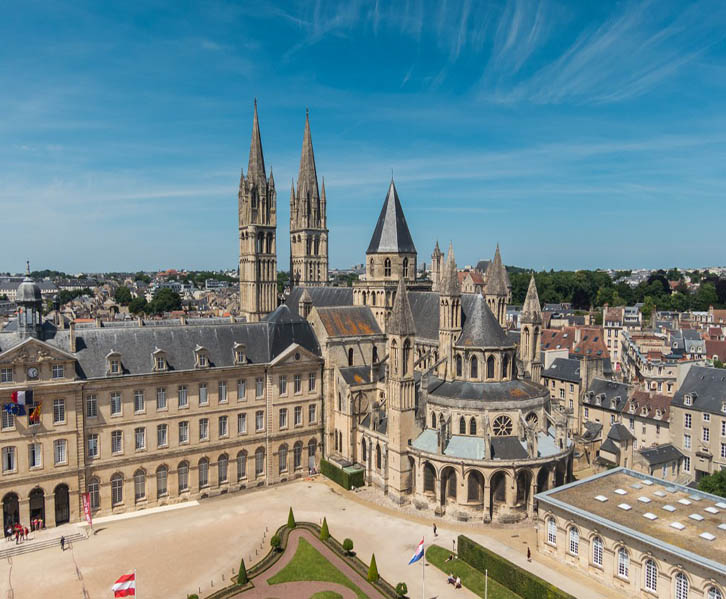
The Abbaye aux Hommes is another iconic site in Caen that speaks to the city’s deep religious and architectural history. This stunning Benedictine abbey was founded by William the Conqueror and has since become a symbol of Caen’s medieval roots. It is not just an architectural marvel but also home to some of the most impressive stained-glass windows and sculptures I’ve ever seen.
Key Highlights:
- The Church of Saint-Étienne: The church within the abbey is a masterpiece of Norman Romanesque architecture. The scale of the church is staggering, and I was particularly moved by the beauty of the stained-glass windows depicting biblical scenes.
- Tomb of William the Conqueror: William the Conqueror is buried here, and his tomb is a popular stop for history lovers. The tomb itself is quite simple, but its significance cannot be overstated.
Cost:
- Entrance to the abbey church is free, but the tomb and other parts of the abbey may have a small entry fee of about €5-€7.
Activities & Tips:
- Relax in the Abbey Gardens: After exploring the abbey, I recommend taking a stroll in the beautiful gardens surrounding it. The peaceful atmosphere is perfect for unwinding after a history-filled day.
- Visit the café: There is a lovely café just outside the abbey where you can enjoy a pastry and a coffee while soaking in the historical atmosphere.
Booking Tips:
Book your visit through Booking.com to combine your trip with nearby accommodations.
4. The Abbaye aux Dames (Women’s Abbey)
Location: 15 Rue de l’Abaye-aux-Dames, 14000 Caen, France
Overview:
A stone’s throw from the Abbaye aux Hommes, the Abbaye aux Dames is another important site in Caen. This abbey, built in the 11th century, was the place where Matilda of Flanders, wife of William the Conqueror, founded a convent. Its stunning architecture and peaceful grounds make it a perfect place to reflect on the history of the region. The abbey is home to a beautiful church and an elegant cloister.
Key Highlights:
- The Church of Saint-Georges: Another example of impressive Norman Romanesque architecture, this church is less crowded than the Abbaye aux Hommes, offering a quieter, more intimate experience.
- Cloister Garden: The cloister garden is a lovely space to relax and take in the tranquil surroundings.
Cost:
- Entry to the abbey is free, with some special exhibitions or events that may have a small entry fee of around €3-€5.
Activities & Tips:
- Guided Tours: To fully understand the abbey’s significance, consider booking a guided tour. GetYourGuide offers several options.
- Cultural Events: The abbey also hosts concerts and cultural events, so check the calendar during your visit.
Souvenirs:
Local arts and crafts are often sold near the abbey, including handmade candles and soaps that carry the scent of Normandy’s lush landscapes.
5. The Port of Caen (Port de Caen)
Location: Quai Vendeuvre, 14000 Caen, France
Overview:
The Port of Caen, with its lively atmosphere and historical significance, offers a charming place to explore. Walking along the quays, I marveled at the blend of industrial and historical structures. The port was historically crucial for trade, particularly during the Norman period, and it continues to play an important role today.
Key Highlights:
- The Quai de la Corderie: This quay offers picturesque views of the port, lined with historical warehouses and elegant maritime architecture.
- La Maison des Quais: A charming restaurant where you can enjoy regional specialties like seafood and Calvados (apple brandy).
Cost:
- Visiting the port is free, but dining at the restaurants nearby will typically cost around €15-€25 for a meal.
Activities & Tips:
- Boat Tours: You can book a boat tour of the port via Tiqets or GetYourGuide for a unique perspective on the city’s maritime heritage.
- Photography: The port is a great place for photos, especially during sunset.
As you can see, Caen is a city rich in history, and exploring its historical districts will allow you to uncover a past that is both fascinating and beautiful. From ancient abbeys and medieval castles to charming streets and quaint markets, every part of the city tells a story. Whether you’re planning your first visit or returning to revisit old favorites, there’s always something new to discover.
For booking your trip to Caen, I highly recommend using Booking.com for accommodations, Tiqets or GetYourGuide for booking tickets to museums and attractions, and TheFork for dining reservations. Happy exploring!